Why Are We Still Dismissing Soy For Breast Cancer?
Subscribe to be notified when new articles are published. You’ll also receive my 2 free ebooks to assist you on your journey.
My subscribers also get a treasure trove of info on nutrition, supplements and lifestyle tips on surviving breast cancer.
Why Are We Still Dismissing Soy For Breast Cancer?
One of the questions I most frequently get revolves around whether or not soy should be consumed or avoided for those with estrogen receptor positive (ER+) breast cancer.
Because there are still people out there telling us it should be avoided.
No matter how often I promote soy (and I mean non-processed, organic soy), there’s always someone to say it’s no good for those with breast cancer and it should be avoided.
Without actually looking at the research, I suspect.
Needless to say, I felt the need to write this article and set the record straight.
As I cast my net for the latest research I found, on the NutritionFacts.org, website, Dr Michael Greger’s video, which sums up the whole argument in 4 minutes, quite nicely. This man is my hero.
Watch it here: How To Block Breast Cancer’s Estrogen-Producing Enzymes
Thank you, Dr Greger, for this video. If you don’t feel like watching it, I will summarize the main points:
1. The vast majority of human breast cancer is hormone-dependent (ER+), meaning that estrogen plays a crucial role in the development of breast cancer (Marnie’s note: so far as I am aware, no one has proven whether it is the body’s own estrogen responsible for this, or xenoestrogens found in our food supply and environment, but that’s a whole other discussion).
2. Soy contains phytoestrogens (plant-based estrogens) that act as estrogen blockers, meaning they block the binding of estrogen to breast cancer cells.
3. Dr Greger makes the point that most breast cancers occur after menopause, a period when the ovaries have ceased producing estrogen. He asks the question, “What’s the point of eating food that blocks estrogen if there’s no estrogen to block?” Apparently breast cancer tumors create THEIR OWN estrogen to fuel their own growth. (Marnie’s note: I can’t remember ever hearing or reading that before!).
4. Estrogen is made in the body with the help of an enzyme known as aromatase – hence why we have aromatase-inhibiting drugs recommended for those with ER+ breast cancer.
5. There are two ways to block estrogen from fuelling breast cancer growth. One is to take an estrogen blocker (like Tamoxifen), and the other way is to take an aromatase inhibitor (like letrozole, anastrozole). Dr Greger says the research indicates that inhibiting aromatase results in better estrogen blocking action.
6. Soy phytoestrogens can do both – block estrogen AND inhibit aromatase. Cellular studies that go back almost 20 years show clearly that soy phytoestrogens suppress aromatase activity and block the effects of estrogen. But does it happen in people as well? Yes. In the study of Japanese women he references, estrogen levels dropped by one quarter after the women drank 400 ml of soy milk daily. It also happened with men in another study, without messing with testosterone levels. Since Japanese women traditionally already have soy in their diets, researchers decided to see what would happen with women in Texas. The women in this study [1] were taking a 12-oz portion of soy milk with each of three meals daily for 1 month. They enjoyed a whopping 50% reduction in circulating estrogen levels, and their levels stayed down for a further two or three months after they stopped drinking it! You can read the abstract of the study at [1] below.
Now, please let me be crystal clear on this subject. The type of soy you eat MUST BE whole, organic soy like tofu, soy milk, soybeans, edamame, tempeh, miso, natto. Otherwise you’re most likely going to be getting GMO soy which has not been proven to be safe.
Tips for avoiding GMOs:
• Check for labels: To ensure a product is non-GMO, in the USA look for the “USDA Organic” seal or the “Non-GMO Project Verified” label. In the EU, look for products to be certified organic or “VLOG certified”. In Australia, look for products labeled certified organic or “Non-GMO Project Verified”.
• Choose whole and less-processed options: Foods with fewer ingredients, such as whole soybeans, edamame, and tempeh, are less likely to contain hidden GMOs than highly processed soy-based products like some mock meats or protein bars.
• Be wary of highly processed oils and ingredients: Many processed foods contain soy, vegetable, canola, or corn oils, which are frequently derived from GMO crops.
• Buy from trusted brands: Many brands clearly label their products as non-GMO. When in doubt, check the manufacturer’s website or contact them directly, especially for items like soy sauce, which can have varying GMO statuses depending on the brand and market.
References:
[1] Effects of soya consumption for one month on steroid hormones in premenopausal women: implications for breast cancer risk reduction –
About Marnie Clark
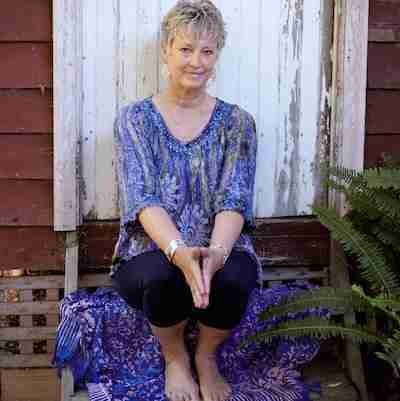
Hi I’m Marnie Clark, breast cancer survivor turned coach. I have 20 years of experience in natural medicine. In 2004/05 I battled breast cancer myself. You can see more about my journey on my page Breast Cancer Diary.
I’ve been healthy and recurrence-free since 2004 and in 2012 I became a Breast Cancer Coach because I became aware of the fact that whilst there is now a wealth of information on the Internet, much of it is confusing, conflicting, and sometimes just wrong!
So it is my duty to help you unconfuse and untangle all that information, and find what works for YOU.
GET MY BEST TIPS on healthy ways to beat breast cancer and prevent recurrences by signing up for my free e-newsletters and eBooks.
You can also “like” me on Facebook (Marnie Clark, Breast Health Coach) to get my inspirational snippets, news and updates. I promise to do my utmost to keep you informed and empowered on your healing journey… and beyond.
Subscribe On YouTube


Subscribe For Extra Support
Welcome to the Marnie Clark Breast Care Community. When you join my virtual family you will receive my informative newsletter PLUS my gift to you, these 2 eBooks valued at $47 to empower and support you on your breast cancer journey.
My subscribers also get a treasure trove of info on nutrition, supplements and lifestyle tips on surviving breast cancer.
“Thank you for the email and the meaningful words. I also wanted to thank you for being with me during my treatments. Your emails and posts not only gave me information but lots of courage.” Susan Z, Canada
0 Comments