Are Breast Calcifications a Sign of Cancer?
Subscribe to be notified when new articles are published. You’ll also receive my 2 free ebooks to assist you on your journey.
My subscribers also get a treasure trove of info on nutrition, supplements and lifestyle tips on surviving breast cancer.
Are Breast Calcifications a Sign of Cancer?
Are Breast Calcifications A Sign of Cancer?
In this article, I will share with you what breast calcifications are, what things that can lead to their development, the difference between benign and malignant breast calcifications, and what things you can do from home to improve your breast health.
What Are Breast Calcifications?
Breast calcifications are small calcium deposits that can form in breast tissue. They appear as tiny white spots on a mammogram, which is typically how they are detected. Calcifications are too small and can’t be felt doing a self-exam.
Breast calcifications are formed when calcium ions combine with phosphate to form hydroxyapatite crystals in the breast tissue. These crystals can accumulate over time.
Here’s something you may not know. According to German New Medicine, as put forward by Dr Ryke Geerd Hamer, which is a whole different way of understanding how and why cancer and other diseases develop, breast calcifications are actually a sign of healing in the breast.
Keep that in mind.
The Difference Between Benign and Malignant Breast Calcifications
Benign (harmless): these tend to be round in shape, larger, and scattered through the breast tissue. They are common and considered to be nothing to worry about.
Malignant: these tend to be tiny, tightly grouped clusters or linear patterns of calcium. They can be early warning signs of breast cancer. One study [1] indicated “The presence of microcalcifications on mammography has resulted in the detection of 62% to 98% of ductal carcinomas in situ (DCIS).” Be sure to read below more information on DCIS.
Some calcifications, termed “clustered microcalcifications” can sometimes indicate early-stage breast cancer. They cannot be felt – they are too tiny, and are usually only detected through mammograms.
Clustered microcalcifications tend to differ from benign breast calcifications by their size, shape, and the distribution patterns within the breast tissue.
According to The American Cancer Society, about 50 percent of those with suspicious-looking calcification clusters will be recommended for further testing, such as biopsies. Only about one-fifth to one-quarter of those cases turn out to be an invasive breast cancer.
Understanding DCIS and Breast Calcifications
Mammograms, since their inception, have been detecting microcalcifications (which often used to go undetected) and have led to many more diagnoses of Ductal Carcinoma In Situ (DCIS). This is considered usually to be a non-invasive form of early-stage breast cancer, often referred to as Stage 0.
DCIS is described as abnormal cells that are contained within the milk ducts. They have not spread beyond the milk ducts into surrounding tissues. DCIS accounts for approximately 80 percent of all detected cases involving malignant calcification clusters. Only 20 percent have been classified as invasive breast cancer – when cancer cells break through the milk ducts and invade surrounding breast tissue.
I cannot tell you how many women I have worked with who after being diagnosed with DCIS have been strongly urged by their surgeon or oncologist to opt for disfiguring mastectomies, and/or chemotherapy, and/or radiation to treat these non-invasive cells. It is my humble opinion that we have been over-treating DCIS for decades.
Apparently I’m not alone. A few forward-thinking doctors and oncologists are advocating for changes in how DCIS is managed, with the aim of reducing unnecessary treatments and moving towards an “active surveillance” or a “watch and wait” approach for low-risk cases.
Current research, like the LORIS trial, is investigating whether certain forms of low-grade DCIS can safely be monitored rather than treated with surgery and/or radiation, a change that would fundamentally alter the classification of DCIS as breast cancer.
What Causes Breast Calcifications?
Breast calcifications are caused by a number of different things. The important thing I would like you to remember is that if they are considered to be non-invasive you can deal with them in a very holistic way.
* They can be related to aging – they generally are more common in women over 50
* Hormonal fluctuations and imbalances, estrogen dominance
* Physical trauma to the breast
* Chronic inflammation or infection
* Poor lymphatic circulation
* Environmental toxins (such as deodorants or powders)
* Excessive intake of dietary calcium – the overuse or improper use of calcium supplements can lead to an excess of calcium in the bloodstream, which may contribute to the formation of calcium deposits in breast tissue (although this is contested by various experts)
* Vitamin D deficiency
* Poor diet – Consuming excessive amounts of sugar, caffeine, processed foods, alcohol, and trans fats
* Lack of exercise
But fear not – there are many things that you can do to improve the health of your girls and address benign breast calcifications.
How To Heal Benign Breast Calcifications Naturally
Holistic medicine has much to offer us with regard to healing breast calcifications naturally. Incorporating these natural remedies into your daily routine may help prevent breast calcifications from forming while also improving your general health.
* Castor Oil Packs:
Castor oil packs are a very good way to reduce inflammation in the breast and improve circulation. Here is my video on how to incorporate castor oil packs into your breast health regimen: How to Make a Castor Oil Pack for Breast Health
* Essential Oil Breast Massages:
Essential oils help to oxygenate the tissues where you are applying them, and because they have an overall anti-inflammatory action, I recommend (and use myself) essential oils every single day for breast health. Essential oils also contain an impressive array of anti-cancer phytochemicals – research backed. To see how to do a nice essential oil massage for yourself, see my video: How To Do Your Own Breast Massage Using Essential Oils
* Take Freshly Ground Flaxseed:
Flaxseed is beautifully anti-inflammatory, it contains high levels of lignans which studies have shown reduce the risk of developing primary breast cancer. It is incredibly healing for breast tissue. You can also use organic flaxseed oil, and that’s especially good if it still contains the lignans (not all brands do). [2] [3] [4] [5]
* Take Vitamin D:
First of all, get your vitamin D levels checked. The test you want to request is named the 25-hydroxyvitamin D test. You will need the information from this test so that you know what dosage you should be taking. Studies have shown that vitamin D may play a role in preventing breast cancer by inhibiting cell growth and promoting apoptosis (cell death) in cancerous cells, as well as quite a number of other properties that help to reduce breast cancer risk. [6] [7]
* Take Curcumin:
Curcumin has anti-inflammatory properties, and it also has studies which indicate that it promotes apoptosis and inhibits cancer cell division, growth, survival, angiogenesis and metastasis in all types of breast cancer, regardless of hormone receptor status. [8] [9]
* Move Your Body:
Engaging in regular physical activity improves overall well-being, improves circulation throughout the body, including the breast, and it also helps your lymphatic circulation. I recommend at least 30 minutes five times per week of some sort of exercise that raises your heart rate – walking, gardening, dancing, tennis, swimming, hiking – whatever you like to do. We have studies that show that breast cancer patients who ate five fruits and veggies per day plus engaged in 30 minutes of exercise five times per week dramatically increased their breast cancer survival rates. [10]
* Adopt a Healthy Eating Strategy:
Your diet can definitely affect inflammation in your body and hormone levels. Include lots of fresh organic fruits and vegetables into your diet, lean protein, drink lots of filtered water and herbal teas (chamomile is nice for calming the nervous system), green tea has amazing anti-cancer properties, and take a few supplements like flaxseed, curcumin, vitamin D (discussed above). Limiting things like super processed foods, sugar, alcohol, an overabundance of caffeine, alcohol, and trans fats also makes sense. For more food ideas, see my page Diet and Cancer .
* Address Estrogen Dominance:
Both calcifications and an elevated breast cancer risk are associated with estrogen dominance, which can occur when your estrogen levels are excessively high relative to other hormones. There are some excellent tests you can undertake which will show you quite clearly what’s happening with your hormone levels. Consider working with a naturopathic physician to test your hormone levels and rebalance them naturally.
* Detox Your Personal Care and Cleaning Products:
This is an important step to take because the products we use on our skin and in our cleaning products are often toxic as hell. Don’t put anything on your skin that you would not feel comfortable eating because they do soak into your body – they don’t just stay on the surface of your skin. Many of the ingredients in these products are causing us to be estrogen dominant and increasing our risk of not only calcifications but breast cancer. Put an app called Yuka on your phone – you can use it to scan the barcodes on products and discover which ones you shouldn’t be using.
* Take Care of Your Lymphatic System
Your lymphatic system acts as the body’s internal garbage collection service. It’s a drainage network which, when it becomes slow and/or congested, can cause waste to accumulate. When this happens, it can contribute to the formation of breast calcifications. You can improve the health of your lymphatic system by moving your body daily (described above), being well hydrated, and learning how to do dry skin brushing. Here’s my video on how to do that: How to Do Dry Skin Brushing .
As you can see, there’s no need to be afraid of breast calcifications. There are many things you can do to improve not only your breast health, but your health overall.
References:
[1] Mammographic Criteria for Determining the Diagnostic Accuracy of Microcalcifications in the Detection of Malignant Breast Lesions – https://pmc.ncbi.nlm.nih.gov/articles/PMC6857828/
[2] Consumption of flaxseed, a rich source of lignans, is associated with reduced breast cancer risk — https://www.ncbi.nlm.nih.gov/pubmed/23354422
[3] Flaxseed and its lignan and oil components: can they play a role in reducing the risk of and improving the treatment of breast cancer — https://www.ncbi.nlm.nih.gov/pubmed/24869971
[4] Flax and Breast Cancer: A Systematic Review — https://www.ncbi.nlm.nih.gov/pubmed/24013641
[5] The Effect of Flaxseed in Breast Cancer: A Literature Review – https://www.ncbi.nlm.nih.gov/pmc/articles/PMC5808339/
[6] The Potential Therapeutic Benefits of Vitamin D in the Treatment of Estrogen Receptor Positive Breast Cancer – https://www.ncbi.nlm.nih.gov/pmc/articles/PMC3429709/
[7] Vitamin D3 decreases glycolysis and invasiveness, and increases cellular stiffness in breast cancer cells – https://www.ncbi.nlm.nih.gov/pubmed/29216499
[8] Targets of curcumin – https://www.ncbi.nlm.nih.gov/pmc/articles/PMC3025067/
[9] The Effect of Curcumin on Breast Cancer Cells – https://www.ncbi.nlm.nih.gov/pmc/articles/PMC3706856
[10] Influence of a diet very high in vegetables, fruit, and fiber and low in fat on prognosis following treatment for breast cancer: the Women’s Healthy Eating and Living (WHEL) randomized trial – https://www.ncbi.nlm.nih.gov/pmc/articles/PMC2083253/
About Marnie Clark
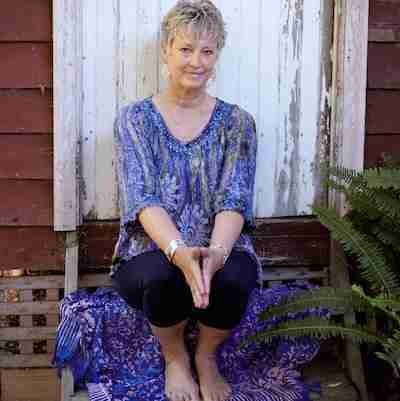
Hi I’m Marnie Clark, breast cancer survivor turned coach. I have 20 years of experience in natural medicine. In 2004/05 I battled breast cancer myself. You can see more about my journey on my page Breast Cancer Diary.
I’ve been healthy and recurrence-free since 2004 and in 2012 I became a Breast Cancer Coach because I became aware of the fact that whilst there is now a wealth of information on the Internet, much of it is confusing, conflicting, and sometimes just wrong!
So it is my duty to help you unconfuse and untangle all that information, and find what works for YOU.
GET MY BEST TIPS on healthy ways to beat breast cancer and prevent recurrences by signing up for my free e-newsletters and eBooks.
You can also “like” me on Facebook (Marnie Clark, Breast Health Coach) to get my inspirational snippets, news and updates. I promise to do my utmost to keep you informed and empowered on your healing journey… and beyond.

0 Comments